

Computer vision engineered for plant pathology.
Test how KrishiX parses foliar lesion patterns, differentiates chewing insects from fungal blights, and generates contextual agricultural guidance.
Live Diagnostic Simulator
Select a crop sample below to trigger the AI computer vision pipeline.
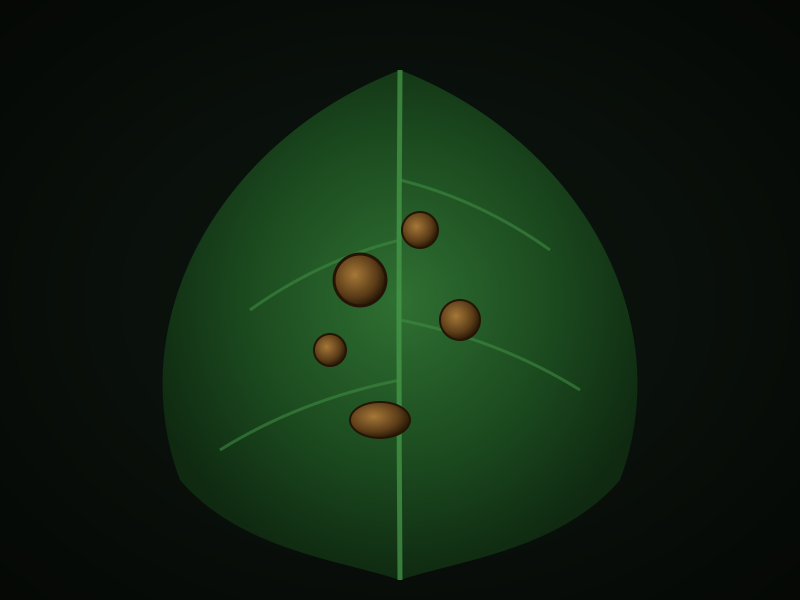
Interactive simulator preview demonstrating AI vision pattern recognition.
Brinjal Leaf Damage & Perforation
Affected Area: Lower and mid-canopy foliage
Lepidopteran pest activity (Shoot and fruit borer larva / Leucinodes orbonalis)
Irregular foliar margins and circular shot-holes consistent with chewing insects.
- 1Inspect affected leaves, petioles, and lower stems for visible larval frass or bore holes.
- 2Clip and safely discard severely infested vegetative shoot tips to minimize larva multiplication.
- 3Consult local agricultural extension or authorized dealer for approved biological or chemical controls based on ETL (Economic Threshold Level).
How to take an optimal plant photo for AI diagnosis
Computer vision models require clear visual signals to distinguish symptoms accurately.
Focus on the Symptom
Hold your camera 15–20 cm away from the affected leaf so lesion margins and shot holes fill the viewfinder.
Avoid Harsh Shadows & Glare
Use natural diffused morning daylight. Shield the leaf with your body if direct midday sunlight washes out textures.
Capture Both Sides If Possible
Many pests (whiteflies, mites, borer larvae) shelter beneath the foliage. Inspect undersides for webbing or frass.